Postpartum depression (PPD) is not “baby blues,” not weakness, and definitely not something that gets fixed by gratitude, prayer, or being told to “enjoy motherhood.” It is a real, clinically recognized mental health condition that affects a significant number of women after childbirth—and ignoring it ruins lives.
After delivery, a woman’s body goes through a hormonal crash that is brutal. Estrogen and progesterone levels drop sharply, sleep disappears, the nervous system is overloaded, and responsibility skyrockets overnight. If you think the mind can casually “adjust” to this, you’re lying to yourself. For many women, this biological and psychological storm leads to persistent sadness, numbness, anxiety, rage, guilt, or complete emotional shutdown.
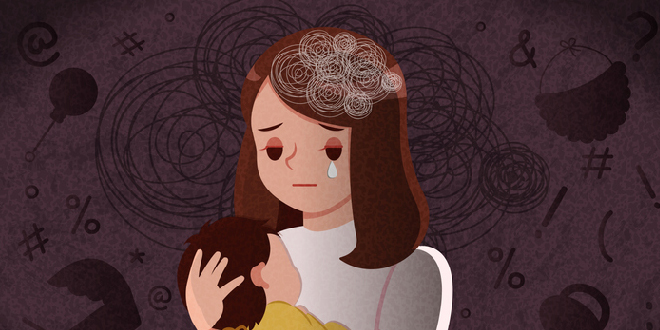
PPD doesn’t always look like crying all day. That’s a lazy stereotype. It can look like emotional detachment from the baby, constant irritation, intrusive thoughts, fear of being alone with the child, or feeling like you’ve made a massive mistake by becoming a mother. Some women function on the outside while mentally collapsing on the inside. Others feel nothing at all—and that emptiness scares them more than pain.
Here’s an uncomfortable truth: society romanticizes motherhood and silences mothers at the same time. Women are expected to bounce back physically, emotionally, sexually, and professionally while surviving on broken sleep and zero support. When they struggle, they’re told they’re ungrateful or dramatic. That pressure alone worsens depression.
Risk factors for postpartum depression include a history of anxiety or depression, traumatic birth, lack of support, financial stress, relationship conflict, thyroid disorders, and unrealistic expectations. None of these are character flaws. They are conditions—and conditions require intervention, not shame.
Left untreated, PPD doesn’t just “go away.” It can last months or years, damage relationships, impair bonding, and in severe cases, lead to self-harm or suicidal thoughts. This is not fear-mongering. It’s reality. Early recognition and treatment matter.
Treatment is not one-size-fits-all. For some women, therapy is enough. For others, medication is necessary—and no, taking antidepressants does not make you a bad mother. Lifestyle support matters too: sleep protection, proper nutrition, reduced mental load, and realistic expectations. Journaling, breathwork, and gentle routines help, but they are not substitutes for professional care when symptoms are severe.
The most dangerous myth about postpartum depression is that a “good mother” should be able to handle it alone. That belief keeps women silent and sick. Strength is asking for help early. Strength is admitting you’re not okay. Strength is choosing recovery over appearances.
If you or someone you know feels persistently overwhelmed, disconnected, hopeless, or unsafe after childbirth, professional help is not optional—it’s necessary. Motherhood should not cost a woman her mental health.
Postpartum depression is common, treatable, and nothing to be ashamed of. What is unacceptable is pretending it doesn’t exist.