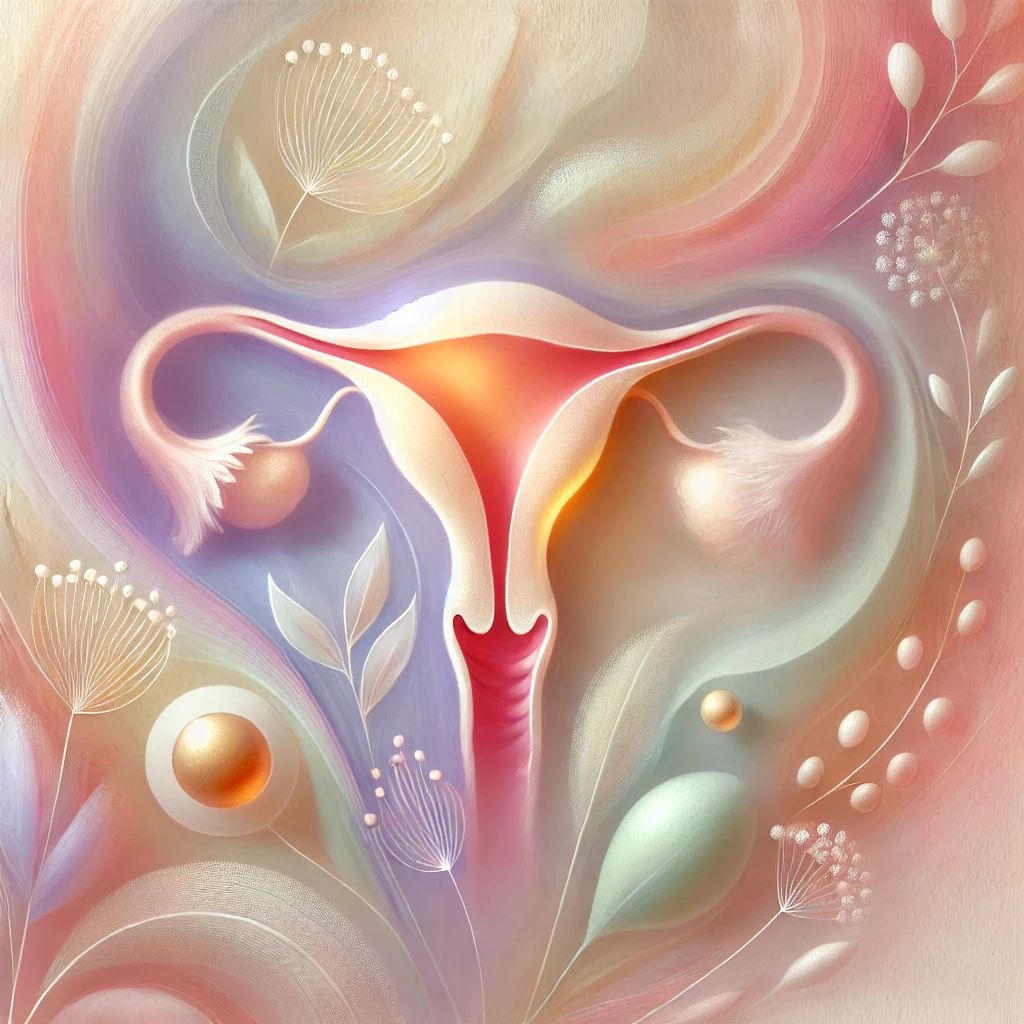
Menopause is a natural and inevitable phase in every woman’s life, yet it is often misunderstood or overlooked. Instead of viewing menopause as an ending, it can be embraced as a meaningful transition—one that invites women to reconnect with their bodies, prioritize self-care, and adopt healthier lifestyle habits. With the right knowledge and support, women can navigate menopause with confidence, balance, and vitality.
What Is Menopause?
Menopause is defined as the stage when a woman has gone 12 consecutive months without a menstrual period. It typically occurs between the ages of 45 and 55, though some women experience it earlier or later. The years leading up to menopause are known as perimenopause, a time when estrogen and progesterone levels begin to fluctuate, causing physical and emotional changes.
From a lifestyle perspective, understanding these hormonal changes is the first step toward managing menopause symptoms effectively and improving long-term health.
Common Menopause Symptoms in Women
Menopause symptoms vary from woman to woman, but some of the most common include:
- Hot flashes and night sweats
- Irregular periods during perimenopause
- Poor sleep and fatigue
- Mood swings, anxiety, or irritability
- Weight gain and slower metabolism
- Vaginal dryness and reduced libido
- Joint pain and muscle stiffness
- Brain fog and memory changes
These symptoms are closely linked to declining estrogen levels, which affect not only reproductive health but also bones, heart health, skin, and mental well-being.
Menopause and Lifestyle Changes
Adopting healthy lifestyle habits during menopause can significantly reduce symptoms and improve quality of life. Rather than focusing only on medical solutions, many women find relief through daily routines that support both body and mind.
1. Nutrition for Menopause Health
A menopause-friendly diet plays a crucial role in managing weight, energy levels, and bone health. Focus on:
- Calcium-rich foods for bone strength
- Protein to maintain muscle mass
- Healthy fats for hormone balance
- Fiber-rich foods for digestion and heart health
Leafy greens, whole grains, nuts, seeds, fruits, legumes, and lean proteins are excellent choices. Reducing processed foods, excess sugar, caffeine, and alcohol may help minimize hot flashes and sleep disturbances.
2. Exercise and Physical Activity
Regular exercise is one of the most effective lifestyle tools for menopause support. Strength training helps protect bone density and muscle mass, while cardio exercises such as walking, swimming, or cycling support heart health and weight management.
Gentle movement practices like yoga, Pilates, and stretching improve flexibility, posture, and stress relief. Even 30 minutes of daily movement can positively impact menopause symptoms.
3. Stress Management and Mental Well-Being
Hormonal changes during menopause can increase sensitivity to stress. Incorporating mindfulness practices such as meditation, deep breathing, journaling, or spending time in nature can help regulate mood and improve emotional balance.
Mental health is just as important as physical health during menopause, and seeking support—whether through friends, communities, or professionals—is a powerful form of self-care.
4. Sleep and Recovery
Sleep problems are common during menopause, often due to night sweats or anxiety. Creating a calming bedtime routine, maintaining consistent sleep hours, limiting screen time, and keeping the bedroom cool can help improve sleep quality.
Good sleep supports hormone regulation, mood stability, and overall energy levels.
Long-Term Health After Menopause
Postmenopausal health deserves attention and care. Lower estrogen levels can increase the risk of osteoporosis and cardiovascular disease, making regular health checkups essential. Lifestyle choices such as balanced nutrition, physical activity, and stress management continue to play a vital role long after menopause.
Some women may explore hormone replacement therapy (HRT) or other medical options under professional guidance. These decisions should always be personalized and based on individual health needs.
Embracing Menopause as a New Chapter
Menopause is not a loss of femininity or vitality—it is a transition into a new phase of self-awareness and strength. Many women report feeling more confident, emotionally grounded, and empowered after menopause. This stage of life offers an opportunity to focus on personal growth, wellness, and intentional living.
Open conversations, education, and supportive environments help normalize menopause and remove unnecessary fear or stigma. When women are informed and supported, menopause becomes a journey of transformation rather than struggle.
Conclusion
Women’s menopause is a natural life stage that can be navigated gracefully with the right lifestyle choices. By focusing on nutrition, exercise, stress management, and self-care, women can reduce symptoms, protect long-term health, and embrace this transition with confidence. Menopause is not the end—it is the beginning of a healthier, wiser, and more balanced chapter of life.https://cheerschildcare.com/parenting-tips-for-indian-parents/